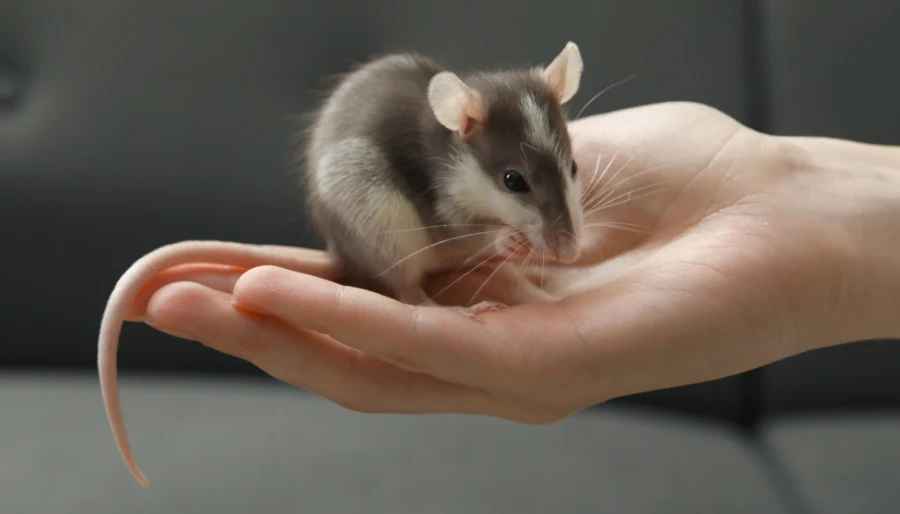
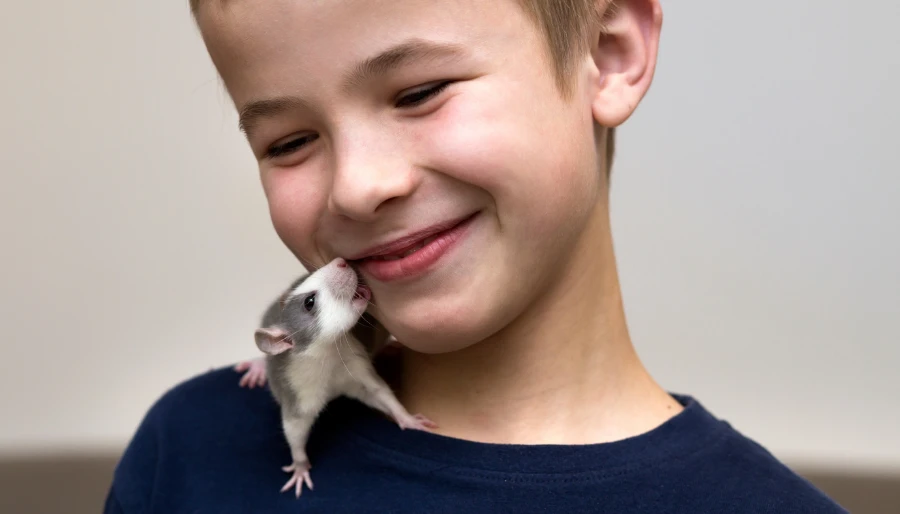





If you ask most parents what kind of pet they imagine for their child, hardly anyone says rat. Dogs and cats are obvious choices. Hamsters and guinea pigs are common too. But rats rarely make the list. That’s a mistake. They’re affectionate, smart, easy to care for, and they teach kids more about life than you’d expect. Most families who bring one home say the same thing. They wish they had done it sooner.
In this guide, you’ll learn everything parents need to know before bringing a pet rat into the family. From what they eat to how they behave, how to understand their body language, and even how to stop biting, we’ve covered it all. Use this page as your starting point, then explore our related in-depth articles to become a confident rat parent raising a caring and responsible kid.
Why Parents Are Giving Rats a Second Look
I didn’t plan on getting a rat. When my kid asked for one, I hesitated. Like most people, I pictured wild rats on city streets. But after reading more, we visited a reputable breeder and brought one home. It was the right choice, at least, for our family.
The deal was simple. We get a pet if my child pitches in and this time, I stuck to my word and it worked.
They fed the rat without reminders. They cleaned the cage before I even asked. They searched for tips on how to train it. That little animal made them proud of their responsibilities and more curious about the world. I wasn’t expecting that.
Many parents have the same story. They go from hesitant to amazed once they see how deeply rats bond with kids and how much they teach them.
And yes, dogs and cats, and most other pets for that matter, live a lot longer than a rat. I thought that would be a painful problem soon, but it wasn’t. Be honest from the beginning, and the emotional bond between your child and pet rat will be stronger and responsibilities are learned faster.
I turned the short lifespan into a positive, but I’ll go into more detail on that below.
A Powerful Way to Teach Empathy and Connection
Pet rats are more than cage pets. They form real bonds with their people. Kids learn to notice small details about how their rat behaves. They see when it’s relaxed. They understand when it’s nervous or when it wants to be left alone. Those skills build empathy. Children start paying closer attention to feelings, not just in animals but in people too.
For shy or anxious kids, a rat can become a steady friend. Rats don’t judge. They greet their humans with curiosity and affection every day. That kind of acceptance builds confidence and helps kids feel more connected to others.
Research supports this. Children who care for small animals show higher levels of empathy and stronger social skills than those who do not (Melson, 2003). Before you roll your eyes at the 20+ year old study I’m quoting, you should know that the findings of that study are still undisputed, and it’s still regularly cited by child psychologists and the American psychiatric association.
Real Learning Happens Without Trying
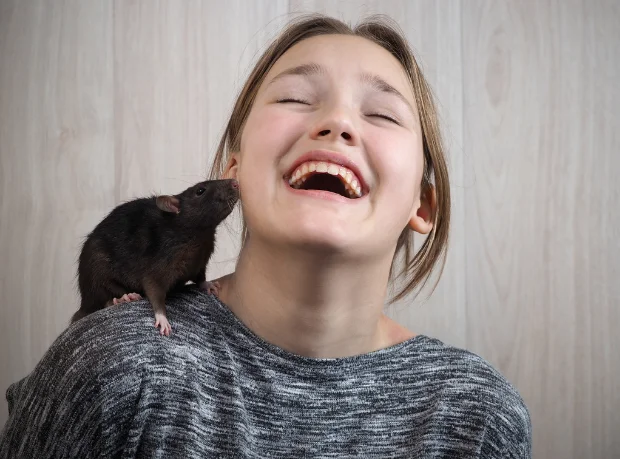
Kids learn constantly when they have a rat. They notice how often it grooms itself. They see it pause when startled or try to solve little problems as it explores. And, most importantly of all (at least for mine), they learn how to be gentle. Rats are not dogs. They’re small and more fragile. Kindness and gentleness are learned traits. I’m sure you know plenty of adults who could have benefitted from a pet rat when they were children.
Rats are also smart enough to learn tricks. Kids can teach them to come when called or to run through a little maze. And they can learn how to bring something you toss back to you, just like a puppy. And just like a puppy, they learn through positive reinforcement, patience, and rewards.
And kids learn the value of teaching the rat using positivity.
It all builds patience and focus. It also introduces ideas about how animals learn and respond, all through play.
Teaches Responsibility Without Overwhelming Kids
Some pets are too demanding for children to care for on their own and we, as parents, tend to quickly become responsible for the spillover.
Dogs need daily walks. Cats require more independence and regular vet visits. Even guinea pigs and rabbits need more space and time than many families expect.
Rats are simpler. Their needs are easy to manage. Fresh food and water. A clean cage. A little time each day for play. Most kids over six can handle all of that with minimal help. It takes only minutes a day and teaches them that consistent care leads to a healthy, happy pet.
Clean, Smart, and Friendly
The word rat makes many parents hesitate. It brings up images of dirt and disease. But pet rats, often called fancy rats, are nothing like that.
Rats are clean animals! Truly, they groom themselves more often than cats. They are social and enjoy interacting with people. They’re intelligent enough to recognize their name and learn basic commands. And when treated gently, they rarely bite.
But, let’s acknowledge the fact that all creatures, when threatened or manhandled, will bite. I’ve known a few people that will bite too. A quick nip by a rat, in my opinion, is preferable to most other creatures.
After 6 years with pet rats, we’ve only had one bite, and it was justified and used as a learning experience. I explained that the rat didn’t do anything wrong. The nip was its way of communicating the fact that my kid was holding it too hard and hurting it. It never happened again, and my child understood.
Let go of the old notions about rats. Take it from me, the first time you see that little rodent run to the front of its cage to greet your kid after school, all those old ideas vanish.
Emotional Support and Stress Relief
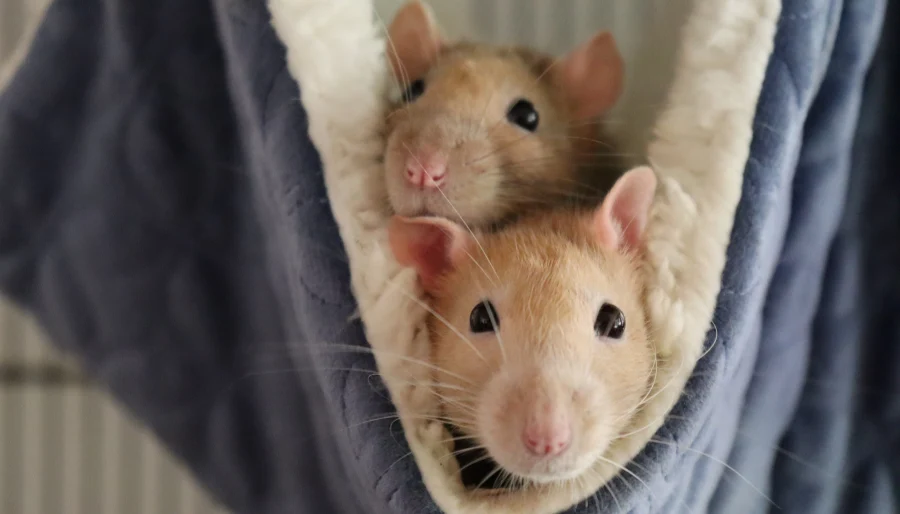
Rats offer more than fun and companionship. They support children’s emotional well-being. Caring for a pet gives kids a routine and something steady to rely on. That structure reduces stress and builds resilience.
Studies have shown that children with pets tend to have lower stress levels and better emotional control (Purewal et al., 2017). Rats are especially effective because they are interactive. They seek affection and respond to their caregivers. They bond deeply, which helps kids feel grounded and supported.
For some children, knowing a little friend is waiting at home makes tough days easier to face.
Safety and Health Basics for Parents
Rats are safe pets when cared for properly. They rarely bite if handled gently. They are clean and healthy when adopted from trusted breeders or shelters. They also produce less dander than many cats and dogs, which can help families with allergies.
A few good habits make a big difference:
- Teach kids to wash their hands before and after handling.
- Clean the cage weekly and remove dirty bedding often.
- Avoid cedar or pine bedding, which can irritate a rat’s lungs.
- Watch for signs of illness, such as sneezing or fatigue.
With proper care, rats stay healthy and thrive in a home environment.
A Short Lifespan with Big Lessons
Pet rats usually live two to three years. Sometimes they live a little longer with excellent care. That might sound short, but it’s one of their strengths.
Kids experience the full life cycle of a pet. They learn what it means to care for a living creature from beginning to end. They learn compassion, patience, and how to say goodbye.
They also learn that they only have their little pet for a short period of time, so make it worth it. Shower that animal with love and explain to your kid that it’s their job to make sure that their rat has a very happy, short life with plenty of love and attention.
Those lessons stay with them for life.

How Rats Compare to Other Starter Pets Chart
| Pet | Lifespan | Bonding Level | Space Needed | Trainability | Ease of Care |
|---|---|---|---|---|---|
| Pet Rat | 2 to 3 years | Very High | Moderate | High | Easy |
| Hamster | 1.5 to 2 years | Low | Small | Low | Easy |
| Guinea Pig | 5 to 7 years | High | Large | Moderate | Medium |
| Rabbit | 8 to 12 years | High | Large | Moderate | Medium to High |
Rats are more interactive and trainable than hamsters or guinea pigs. They need less space than rabbits and are easier to care for than cats or dogs. They also cost less to feed and house.
In short, if your kid has never had a pet before, start with a rat. Your child will bond with his/her new pet, which will help develop responsibility and empathy, but in a more controlled manner. Why controlled? Because, rats have a shorter lifespan and are cheaper to care for. Meaning, you won’t be stuck with 10+ years of responsibility should your child lose interest in the new pet quickly.
Frequently Asked Questions by Parents
Are rats good pets for kids?
Yes. Pet rats are gentle, social, and highly intelligent. They form strong bonds with people and are easier to care for than many small animals. They’re also great for teaching kids about responsibility, empathy, and daily routines. If your child is patient and gentle, a rat can make an excellent first pet.
How long do pet rats live?
Most pet rats live about two to three years, though some can reach four with great care. Genetics, diet, and environment all play a role. A balanced diet, a clean cage, regular vet check-ups, and plenty of social interaction help extend their lifespan and keep them healthy and active.
What should I feed a pet rat?
A rat’s diet should include lab blocks, fresh vegetables, small portions of lean protein, and occasional fruit. Avoid junk food, sugary snacks, and processed treats. Some foods, such as chocolate or raw potatoes, can be harmful. Our pet rat diet guide explains safe foods and portion sizes in detail.
Biting is uncommon when rats are handled properly, but it can happen. Most bites are caused by fear, pain, or confusion. If a rat isn’t used to people, it might nip out of nervousness. Once it feels safe and trusts you, biting usually stops. Here’s a list of the most common reasons rats bite and what to do about them.
How do I know if my rat is stressed?
Signs of stress include hiding, trembling, rapid breathing, over-grooming, or refusing food. A stressed rat may also become more defensive or start biting. Calm, predictable handling, a quiet environment, and enriching toys all help reduce stress. Our guide on how to calm a stressed rat walks you through what works best.
How do rats show affection?
Rats show trust and affection in many ways. They may groom your fingers, lick your hands, or fall asleep on you. Some bring small objects to you or climb onto your shoulder. These are all signs that your rat feels safe and connected. Check out the 10 signs your rat trusts you to learn more about what these behaviors mean.
How can I tell what my rat’s body language means?
Body language is a rat’s main form of communication. Relaxed grooming, slow exploring, and lying stretched out all show contentment. Freezing or crouching signals fear. Puffing up fur or loud teeth chattering is a warning to back off. Our full guide on rat body language explains how to interpret these signals.
Do rats need companions?
Yes. Rats are social animals and thrive when they live with at least one other rat. A single rat often becomes lonely, which can lead to depression or behavior issues. Keeping them in pairs (same sex) or small groups (same gender) supports their emotional well-being and encourages natural behaviors like grooming and playing together.
Are rats safe for children to handle?
Absolutely, as long as kids learn how to handle them gently and calmly. Teach children to move slowly, let the rat sniff their hand before touching, and never grab or squeeze. With supervision and patience, rats and kids usually form strong bonds quickly.
How do I help my child bond with their rat?
Consistency is key. Daily interaction, gentle handling, and hand-feeding treats all help build trust. Encourage your child to talk softly to the rat and spend time near its cage so it gets used to their presence. Over time, these small steps lead to a deep bond built on trust and familiarity.
More To Discover
Key Takeaways
- Rats teach empathy and responsibility in a way kids understand.
- They turn daily care into hands-on learning.
- They are clean, affectionate, and much smarter than most people expect.
- They support emotional well-being.
- They are low-maintenance and affordable.
- Their short lifespan teaches important life lessons about love and care.
The Bottom Line: Don’t Dismiss the Rat
It might feel strange to consider a rat as your child’s first pet. I understand that hesitation. But once you see how deeply they bond and how much they teach, it’s hard to imagine a better choice. They’re loving, clever, and full of personality. They make kids more caring and more confident. They make families happier.
If you want a pet that is manageable, meaningful, and memorable, a rat deserves a spot on your list. It might turn out to be the best decision you make for your child.