



A Complete Guide for Parents
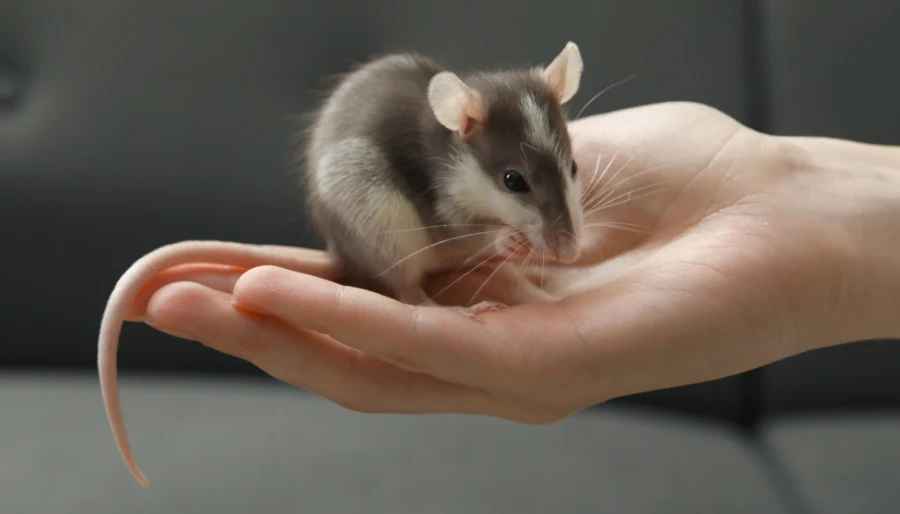
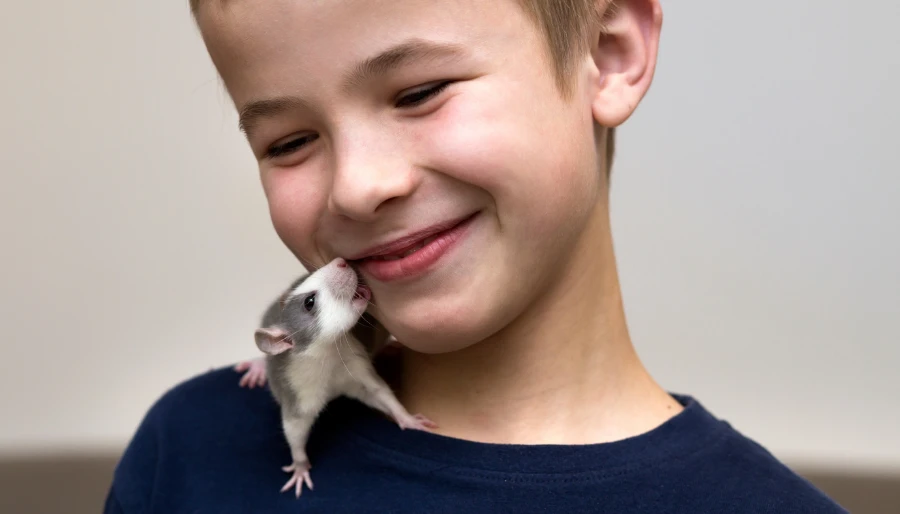
When most people think of rats, they picture the wild kind scurrying down alleyways. But pet rats are nothing like that image. They’re affectionate, highly social, and deeply intelligent animals with personalities of their own. Understanding their behavior is key if you want your child to build a strong bond with them and care for them properly.
This guide will help you read and respond to your rat’s behavior with confidence. It’s written for parents who are either considering a pet rat for their child or already have one and want to help their family understand it better.
Why Rat Behavior Matters When Raising One as a Family Pet
Pet rats aren’t background pets. They interact, communicate, and form real relationships with their humans. Once you understand their behavior, you’ll see they’re not random or unpredictable at all. Every movement, sound, and habit is a form of communication. And when kids learn to notice those signals, they become better caregivers.
Knowing how rats behave also helps children develop empathy. They start to understand that animals have feelings, routines, and ways of expressing themselves. That’s a valuable lesson for any young pet owner.
Body Language: What Your Rat Is Trying to Tell You
Rats rely heavily on body language to communicate. It’s often the first thing parents and kids learn to read, and it’s surprisingly expressive once you know what to look for.
- Whisker twitching often means curiosity. If your rat’s whiskers are constantly moving as it sniffs around, it’s exploring and paying close attention to its surroundings.
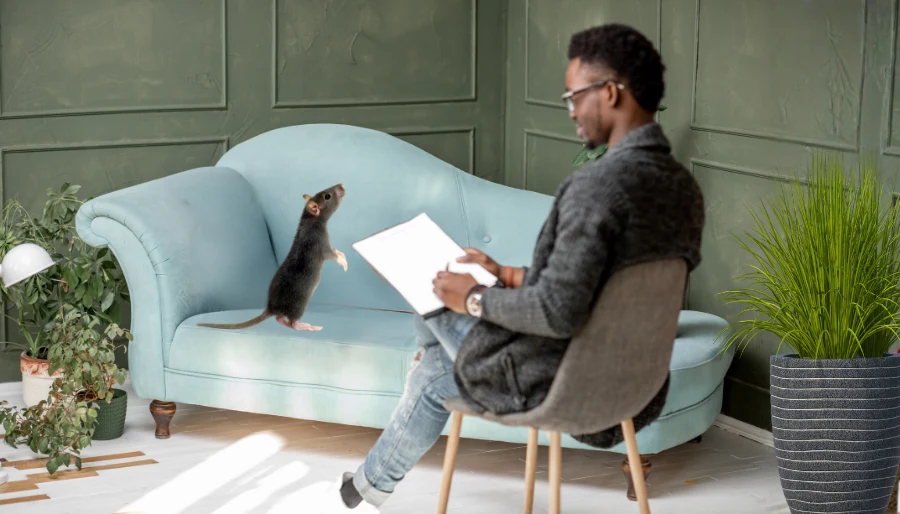
- Standing on hind legs is usually a sign of alertness. Your rat might be checking out a new sound or scent.
- Slow grooming means it feels safe and content. A relaxed rat often cleans itself thoroughly when it’s calm and happy.
- Fluffed fur or hunched posture is a sign of fear or discomfort. Give it space and check what might be causing stress.
Teaching kids to notice these signals helps them build trust with the rat. They learn when it wants attention and when it needs quiet time, which leads to a better relationship for everyone.
Recognizing & Understand Rat Vocalizations
Pet rats make more sounds than many people realize, but most are too high-pitched for human ears. The ones we can hear often carry clear meaning.
- Chirps and squeaks during play usually mean excitement. It’s a sign your rat is enjoying itself.
- Loud squeaks when handled might signal discomfort or fear. Kids should gently stop and see if they’re holding the rat too tightly.
- Bruxing (grinding teeth softly) is a sign of deep relaxation. Many rats do this while being petted or when they’re about to fall asleep.
Encourage children to listen closely. Over time, they’ll start connecting sounds to moods, which builds understanding and trust.
Social Behavior: Rats Thrive With Companionship
Rats are social animals by nature.
They’re happiest when they have at least one other rat to live with, especially if someone isn’t home all the time. A solitary rat can become lonely and depressed, even with daily human attention. Pairs (same sex) or small groups (same gender) give them companionship and help them express their natural behaviors.
Rats that live with companions groom each other, play together, and even sleep piled up in a nest. Watching this social interaction is not only fun for kids but also teaches them about cooperation and relationships.
You’ll want to explain to your children why having more than one rat is important. It’s a chance to talk about how all living things need social connection, even humans, and why creating groups you like and who treat you well in return is important.
Signs of a Happy Pet Rat
It’s usually easy to spot when a rat feels content and secure. They have a few tells:
- Regular grooming and smooth fur
- Active exploration of its cage or play area
- Coming forward when you open the cage, showing curiosity about people
- Relaxed body posture and willingness to be handled
Kids quickly learn to recognize these behaviors. When they see their rat doing these things, they know they’re doing a good job as caregivers, and you have a chance to positively reinforce your child’s observation skills.
Say something like, “You’re really keyed into Miles. You really pay attention to his needs. I’m very impressed.” That highly specific praise will go a long way with any child!
Signs Your Rat Is Stressed or Unhappy
Not every behavior is positive. Stress, boredom, or illness can change how a rat acts. Parents should teach kids what warning signs to watch for.
- Hiding all the time or refusing to come out
- Over-grooming or losing patches of fur
- Biting or acting fearful when handled
- Lethargy or a sudden drop in activity
If any of these behaviors appear, it’s time to figure out what’s wrong. Sometimes the solution is simple, like more enrichment or a quieter space. Other times, a vet visit is necessary. Teaching children to respond calmly and carefully helps them develop empathy and problem-solving skills.
The Importance of Enrichment and Play
Rats are naturally curious and smart. They need more than just food and water to stay healthy. Without mental stimulation, they get bored and stressed. That can lead to chewing cage bars, pacing, or developing unwanted, destructive behaviors. Enrichment keeps their minds active and their moods balanced.
No need to overcomplicate this! Add some climbing structures, chew toys, tunnels, and places to hide. Switch things around now and then to keep their environment fresh. Safe time outside the cage is important too. Most rats love exploring a room, climbing over furniture, or searching for hidden treats.
My advice is to include your child in this process. Turn it into a shared project that will help build your kid’s empathy, understanding, and creativity.
They can design toys, build tunnels from cardboard, or set up small obstacle courses. It’s fun for them and meaningful for the rat, and it deepens the bond between them.
And then, occasionally, ask your kid how he/she thinks you could change up the rats’ cage and play area to keep it fresh and exciting. They’ll get excited all over again!
When Aggression or Odd Behavior Appears
Pet rats are usually gentle. If one becomes aggressive, there’s almost always a reason. Biting or lunging signals fear, pain, or illness. A rat might act territorial if it feels its space is threatened. Too much noise, rough handling, or sudden changes in routine can also trigger stress.
Teach kids never to grab a rat or corner it. Sudden movements and loud voices can frighten them. They’re small creatures, after all! Encourage children to approach calmly and speak softly. If the rat reacts defensively, they should step back and give it space. And use this as an opportunity to teach your kid that all creatures require alone time and personal space, including us humans, and how it’s healthy.
Sometimes behavior changes can mean something more serious. If a rat stops eating, hides all the time, or seems unsteady, it may need a vet. Acting quickly can make a big difference in recovery.
When Behavior Signals a Trip to the Vet
Some behaviors are red flags that you can’t ignore. These signs often point to health problems that need medical attention:
- Frequent sneezing or wheezing
- Hunched posture or lack of movement
- Sudden weight loss or refusal to eat
- Trouble balancing or stumbling
- Constant scratching or visible skin irritation
If you notice any of these, call a small-animal veterinarian as soon as possible. Quick care can mean a faster recovery. It’s also a chance to show kids that being a good pet owner means watching for signs of illness and acting on them. Depending on your child’s age, I strongly recommend you include him/her in the visit to the veterinarian’s office.
How to Talk to Kids About Someone Else’s Pet Rat
Your child may meet a rat that belongs to someone else — maybe at a friend’s house or during a visit to a classroom. They should know how to behave around a pet that isn’t theirs.
Start by reminding them to always ask the owner before touching or holding the rat. Show them how to hold out a hand calmly and let the rat sniff first. Quiet voices and slow movements help the rat feel safe.
If the rat backs away, freezes, or hides, teach your child to give it space. Respecting those signals protects both the rat and your child. It also teaches an important lesson about kindness and boundaries when interacting with animals they don’t know.
Fun Facts About Rat Behavior Kids Love
Kids enjoy learning fun details about their pets, and they love knowing something that they can tell other kids. These quick facts make rats even more interesting:
- Rats can dream. Studies show their brains replay experiences during sleep.
- They’re problem solvers and can learn their names.
- They “laugh” in ultrasonic sounds when tickled, though we can’t hear it without special equipment.
- Their tails help with balance and temperature control.
Sharing these kinds of facts makes kids proud of their pets and deepens their curiosity about how animals think and behave, and kids love shocking their friends at school with these nuggets.
Key Takeaways for Parents
- Pet rats are expressive and deeply social.
- Their body language, sounds, and habits all communicate how they feel.
- Enrichment and social interaction keep them happy and healthy.
- Sudden changes in behavior can signal illness and should be checked by a vet.
- Teaching kids how to interact with their own rats and with others’ builds empathy and respect.
Final Thoughts: Helping Your Child Understand Rat Behavior
Pet rats are more than small animals in a cage. They communicate in subtle ways and form real bonds with the people who care for them. Teaching kids how to read those signals is one of the most powerful ways to help them grow into patient, compassionate caretakers.
Once children understand how rats express joy, fear, curiosity, and stress, they become more confident and attentive. That empathy extends beyond their pet, shaping how they treat animals and people alike. And that might be the greatest gift a pet rat gives your family — not just companionship, but a chance for your child to grow into someone more aware and kind.