



Even the gentlest pet rat can get stressed sometimes. It might freeze in fear, hide for hours, or even nip when handled. Stress is more than just a bad mood. It affects their immune system, their behavior, and even how long they live. And if your child is the primary caregiver, it can be upsetting to watch their little friend suddenly act differently.
The good news is that most stress in rats is temporary and preventable. With a bit of understanding and a few changes, you can help your child create a calm, safe space where their rat feels secure again. Here’s how.
Why Pet Rats Get Stressed in the First Place
Rats are sensitive animals. They’re prey species by nature, which means they’re always on alert for danger. Imagine living in that state all the time.
Loud noises, unfamiliar people, sudden movements, or changes in routine can easily make them feel unsafe. Even small things like a strong scent or too much handling can set them on edge.
Do your best to avoid some of the most common causes of stress:
- A noisy environment
- Rough or sudden handling
- A new cage or habitat change
- Lack of hiding places
- Too much activity around their cage
- Illness or injury
- Boredom from not enough stimulation
Once you understand what’s causing the stress, you can take steps to fix it.
Spotting the Signs of a Stressed Rat
The first step to calming a stressed rat is knowing when something’s wrong. Of course, that also relates to everyone and everything in your life. But, right now, we’re talking about pet rats.
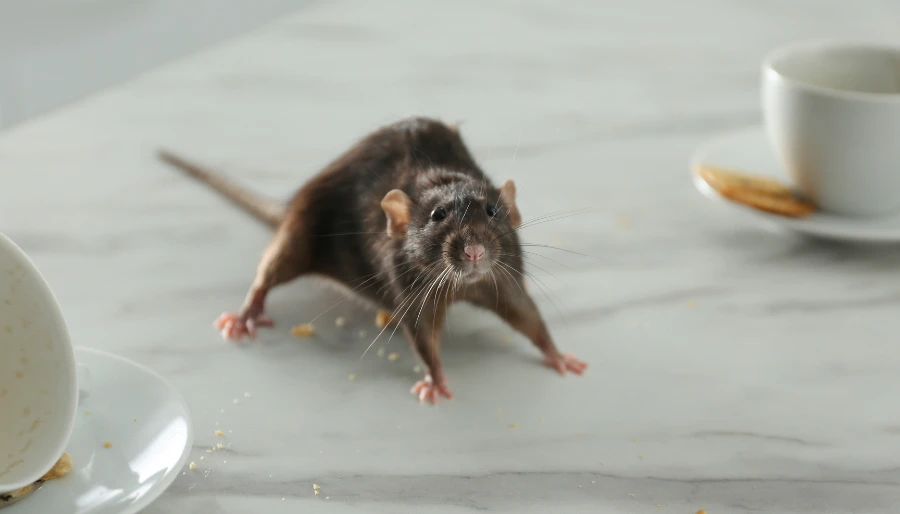
Some signs are obvious, like biting or hiding. Others are subtle, like over-grooming or refusing food.
Watch for:
- Constant hiding or avoiding interaction
- Biting when they normally don’t
- Rapid breathing or trembling
- Over-grooming or bald spots
- Loss of appetite
- Hunched posture or low energy
If you notice these behaviors, it’s time to step in and help your rat feel safe again.
Create a Calm, Predictable Environment
One of the best ways to reduce stress is to make their environment feel stable and safe. Rats do best with predictable routines. Keep feeding times, play sessions, and cleaning schedules consistent. Sudden changes can unsettle them.
Noise is another big factor. Place their cage in a quiet room away from loud TVs, barking dogs, or heavy foot traffic. Avoid playing loud music nearby. A calm space helps them relax and rebuild trust.
Lighting matters too. Keep the room bright during the day and dim in the evening to mimic natural cycles. It helps regulate their internal clock and supports healthy sleep patterns.
Offer Safe Spaces and Hiding Spots
Rats need places where they feel hidden and secure. In the wild, they seek out burrows or dark corners when they’re scared. Your pet rat has the same instinct.
Add small hideouts, cardboard boxes, or hammocks to the cage. A stressed rat will use them to retreat until it feels safe enough to explore again. Make sure there are multiple hiding spots if you have more than one rat, so they don’t compete for space.
Let your child know that it’s okay if the rat hides at first. Pushing it to come out before it’s ready will only increase its stress. Patience is key.
Encourage Gentle and Slow Handling
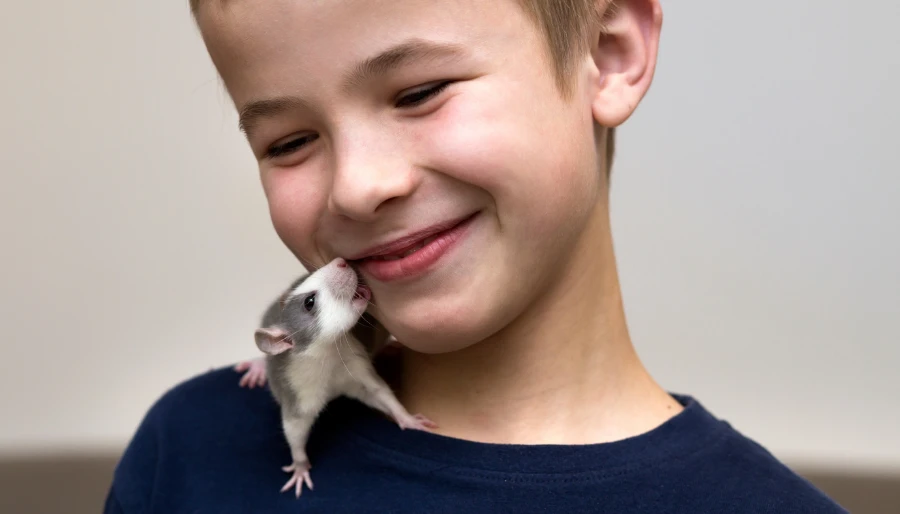
Rough handling is one of the fastest ways to stress out a rat. Kids don’t always realize how strong their hands feel to a tiny animal. Quick movements, loud voices, or sudden grabs can scare them into biting or fleeing.
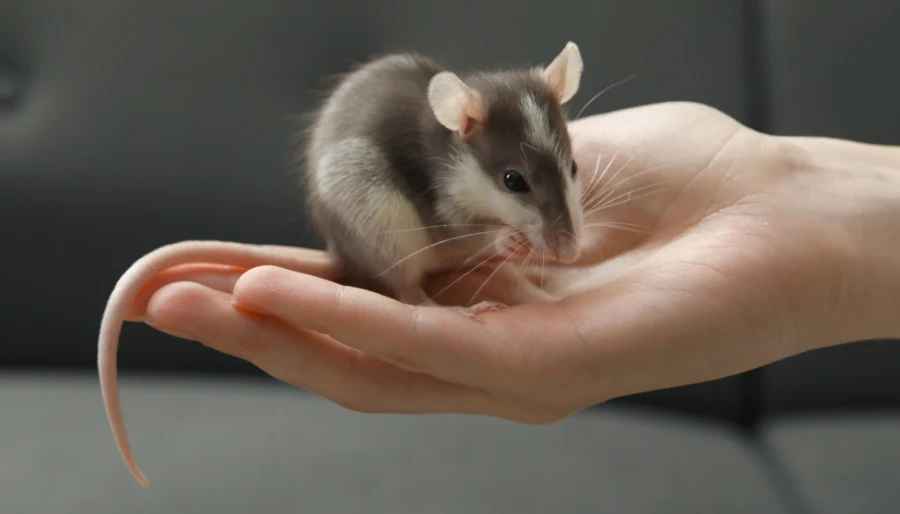
Teach your child how to approach calmly. They should move slowly, speak softly, and let the rat sniff their hands before trying to pick it up. Short handling sessions are better than long ones in the beginning. As trust builds, the rat will become more comfortable with longer interactions.
If the rat resists being picked up, start with hand-feeding treats inside the cage. Once it associates hands with good experiences, it will be far more willing to climb onto them voluntarily.
Provide Mental Stimulation and Enrichment
Boredom is a silent source of stress. Rats are intelligent and active, and they need things to do. Without enough mental stimulation, they become anxious and restless.
Fill their cage with climbing toys, tunnels, ropes, and chewable objects. Rotate toys every week, so the environment stays interesting. Allow supervised time outside the cage to explore safe spaces. Even simple games, like hiding treats for them to find, can work wonders for their mood.
Involving your child in enrichment is a great way to strengthen their bond. They can build tunnels from cardboard, set up scavenger hunts, or design new play areas.

Reduce Handling During Illness or Recovery
If your rat is sick or injured, even gentle handling can be stressful. They may want more rest and less interaction. If stress appears suddenly, and you can’t find an obvious reason, a health issue might be the cause.
Check for signs like labored breathing, hunched posture, or changes in eating and drinking. If you see any of these, call a small-animal veterinarian. Once your rat is healthy again, its stress levels will likely return to normal.
Teach Kids How to Help a Stressed Rat
Children learn valuable lessons about empathy and patience when they help a stressed pet. Start by explaining that stress isn’t bad behavior. It’s a signal that the rat is scared or uncomfortable. And make sure your child knows that all creatures experience stress, and it’s natural, and we should talk about it.
Encourage them to speak softly, move slowly, and give the rat space when it hides. Teach them to recognize signs of stress and talk about possible causes together. Let your child investigate by discussing recent changes that may be stressful to the pet rat. These conversations help them understand that animals have feelings too, and that caring for a pet means paying attention to those feelings.
Always praise your child when he or she shows compassion for their pet.
When to See a Vet
Most stress improves once the environment and handling change. But if it doesn’t, or if your rat shows signs of illness like wheezing, weight loss, or unsteady movement, it’s time for a vet visit. Health problems and stress often go hand in hand, and addressing one can solve the other.
Key Takeaways for Parents
- Rats are sensitive to changes in their environment and routine
- A calm space, gentle handling, and mental stimulation help them feel secure
- Safe hiding spots give them control and reduce fear
- Illness and injury can increase stress and need veterinary attention
- Teaching kids patience and empathy is just as important as calming the rat
Final Thoughts
A stressed rat isn’t a bad rat. It’s an animal trying to tell you something. With small changes, patience, and understanding, you can turn fear into trust and help your child’s pet feel safe again. The reward is worth it. A calm, confident rat becomes more affectionate, more social, and a better companion for your family.